
Reconfiguring the City: Rem Koolhaas (Architects, Part 2)
Beyond OMA’s unfamiliar forms, programs and circulation reveal how architecture brings different activities together.
Who this essay is for
Readers curious about the unusual forms of Rem Koolhaas and OMA’s architecture. Libraries, houses, and performance venues help us explore the relationship between programs and space.
What can architecture do? Looking at Rem Koolhaas’s work, that question quickly leads to another. What happens inside a building, and how should different activities meet? Explaining his architecture through its unfamiliar exterior alone can miss the point. Koolhaas reads the city’s complex realities and rearranges the relationships between functions and circulation.

1. Architectural scenarios for reading the city
Delirious New York reads Manhattan’s density, desires, and overlapping activities through architecture. From this perspective, a city is not a harmonious whole arranged neatly from the start. Once collisions and chance are understood as forces that shape the city, the architect’s concerns extend beyond the aesthetics of an individual building.
Architecture then becomes both a container for activities and a means of shaping how they meet. Different arrangements of work and circulation, public and private space, can produce entirely different events within the same floor area. This is why plans and routes matter as much as form when reading OMA’s work.
A program is the arrangement of functions and activities a building needs to accommodate. In a library, it includes reading, meetings, staff work, and circulation, as well as bookshelves.

2. Bigness: When a building reaches the scale of a city
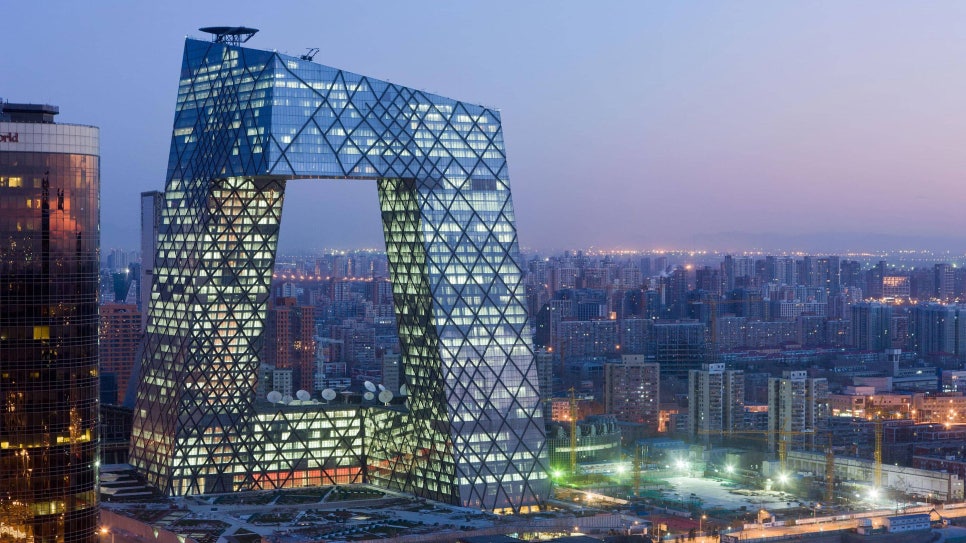
Koolhaas’s idea of Bigness is not simply praise for large buildings. As scale increases, internal functions, services, and circulation become more complex. It becomes harder to control the whole building through a single image or order. Size is both a quantitative change and a change in how architecture works.
CCTV Headquarters in Beijing brings this question to mind. Its loop connects two vertical volumes and gathers broadcasting, production, and administrative functions into a continuous organization. The relationship between the striking exterior and the internal program is what interests me. Yet a connected form does not automatically make an organization open or a building public. Form and actual operation have to be considered together.
3. Seattle Central Library: A structure for knowledge in motion
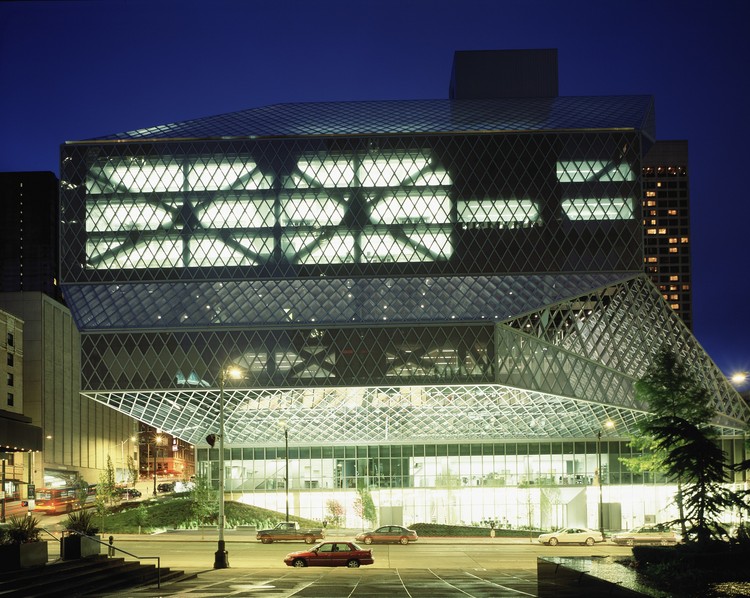
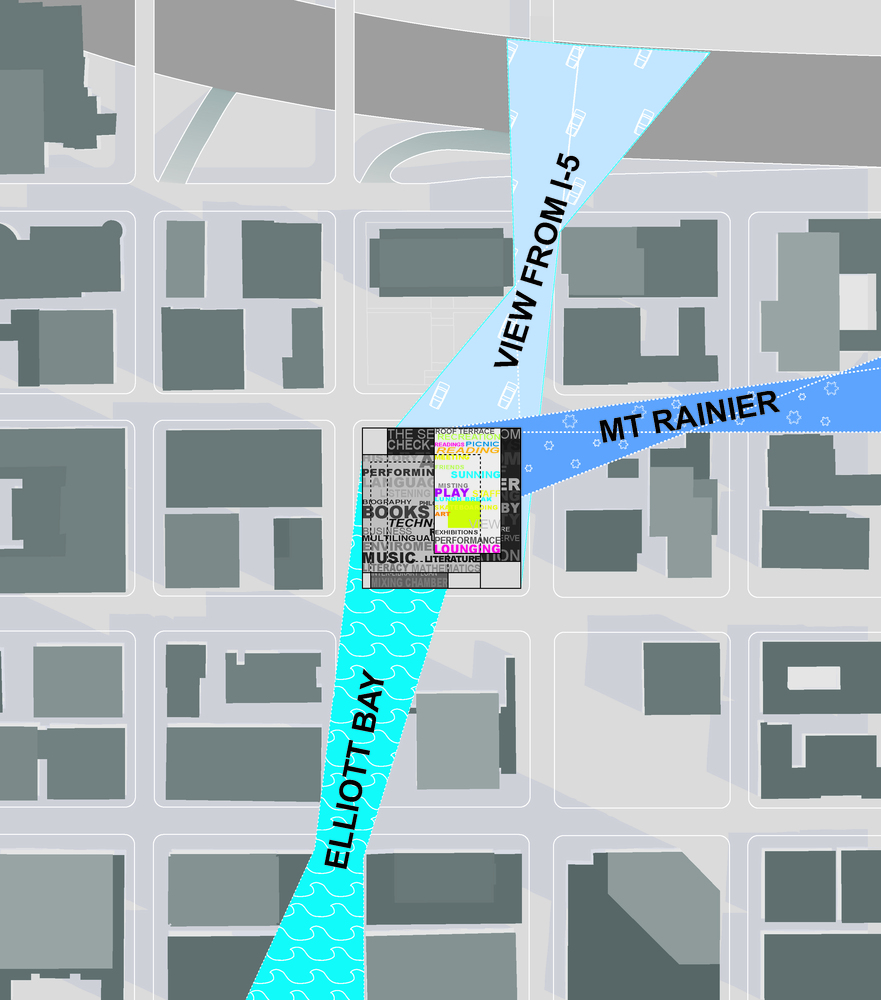
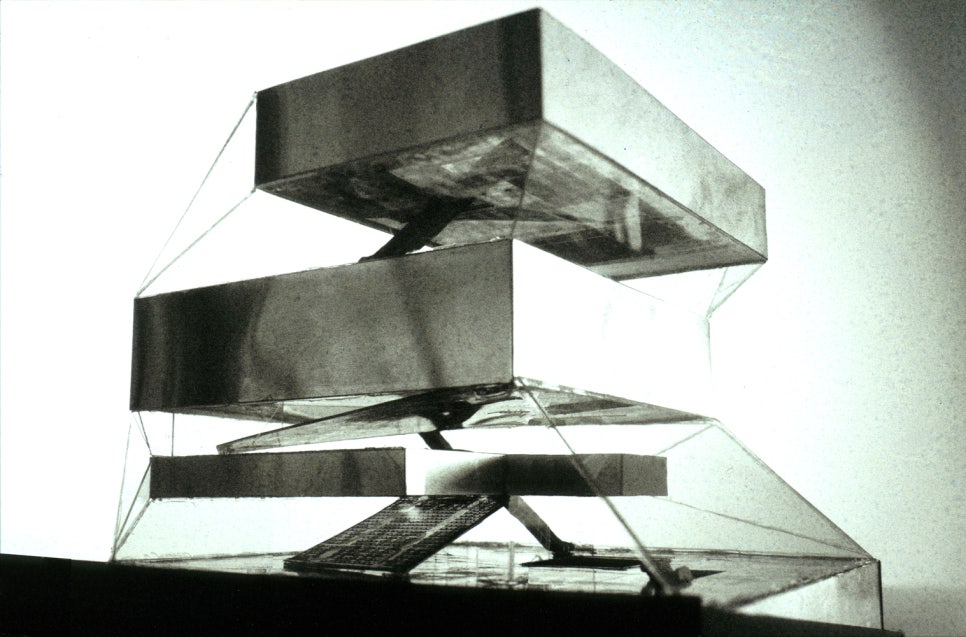
This concern becomes more tangible at Seattle Central Library. Designed by OMA and LMN, the library separates and connects functions with different needs. Its Books Spiral provides a continuous route through the collection as it grows. The library is understood as an organization through which knowledge and people move, rather than a set of rooms for storing books.
Seattle Central Library is better read as a collaboration than as the work of one person. OMA’s project page identifies the design team and explains the Books Spiral.
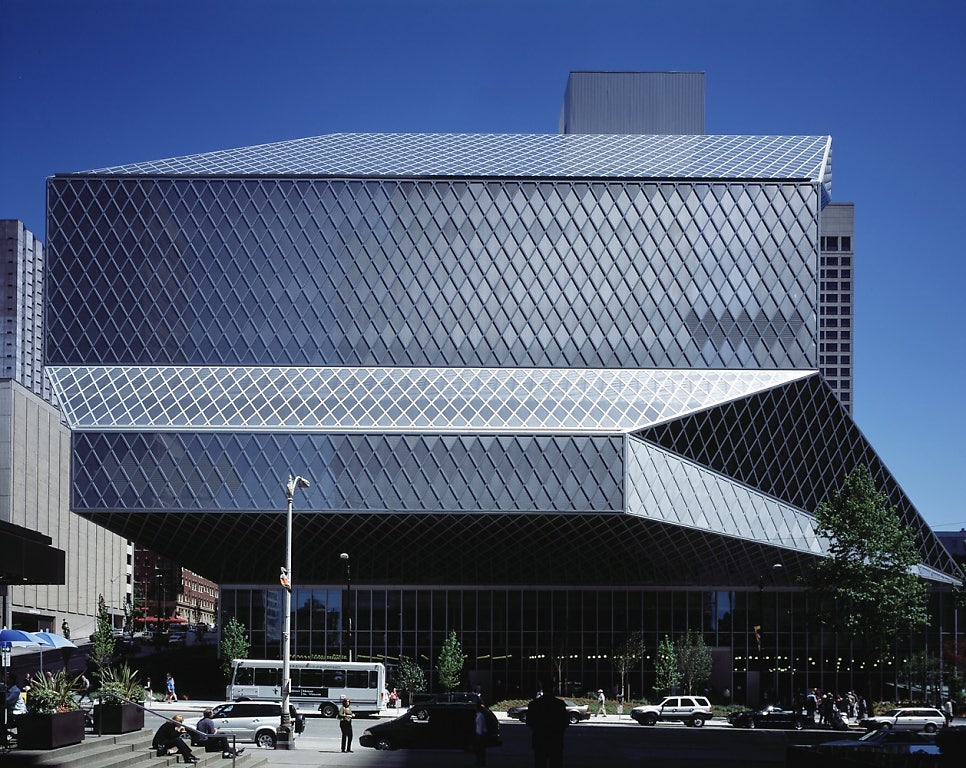
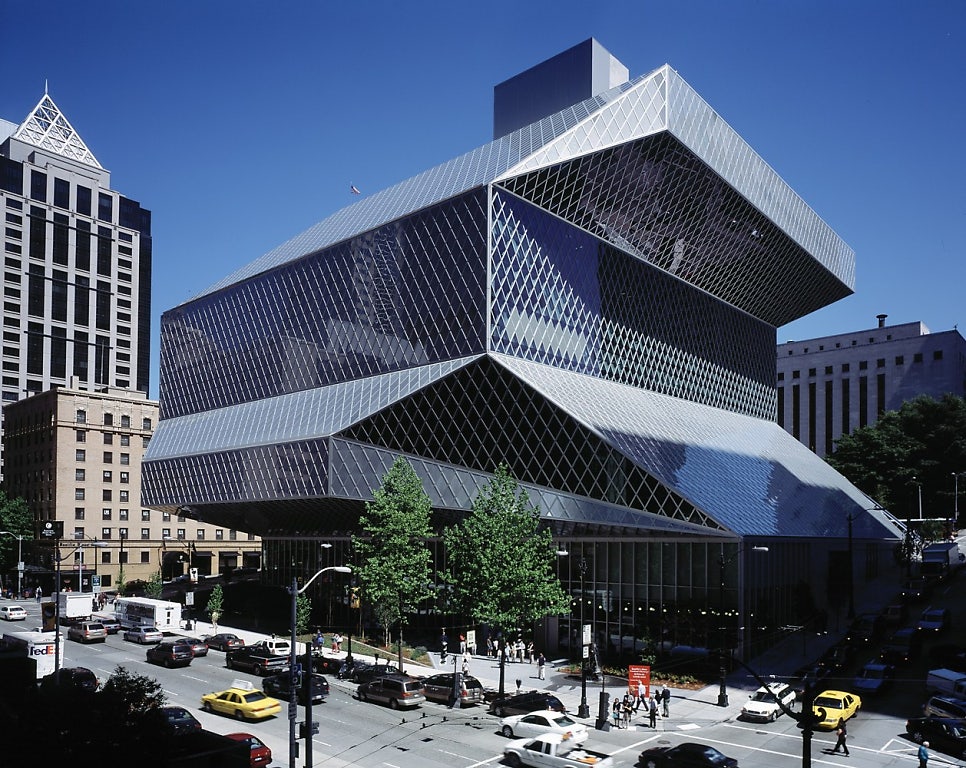
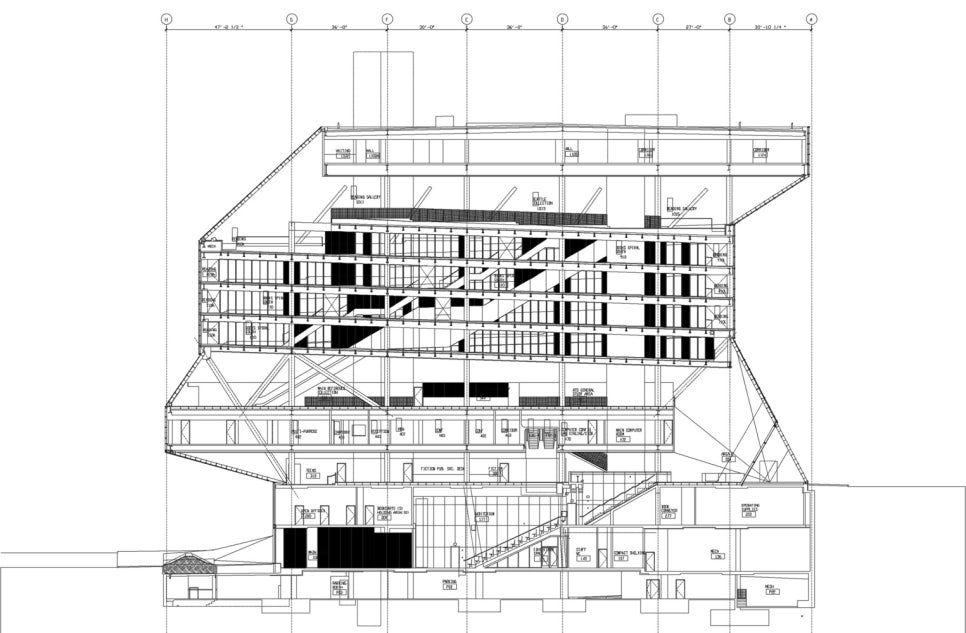
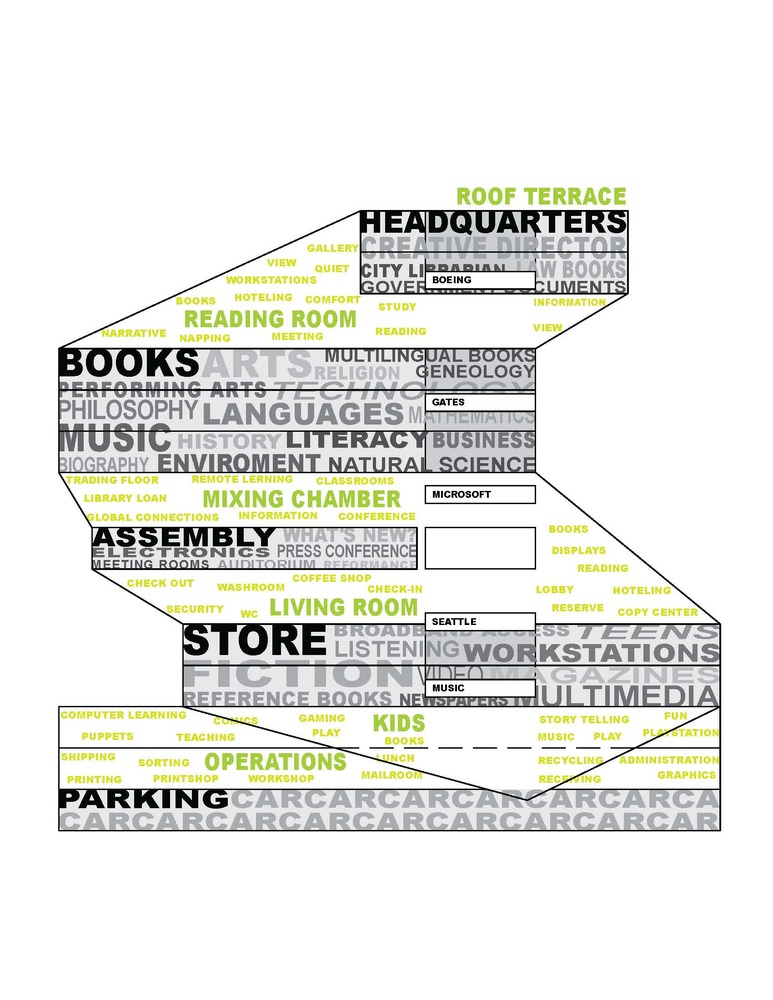
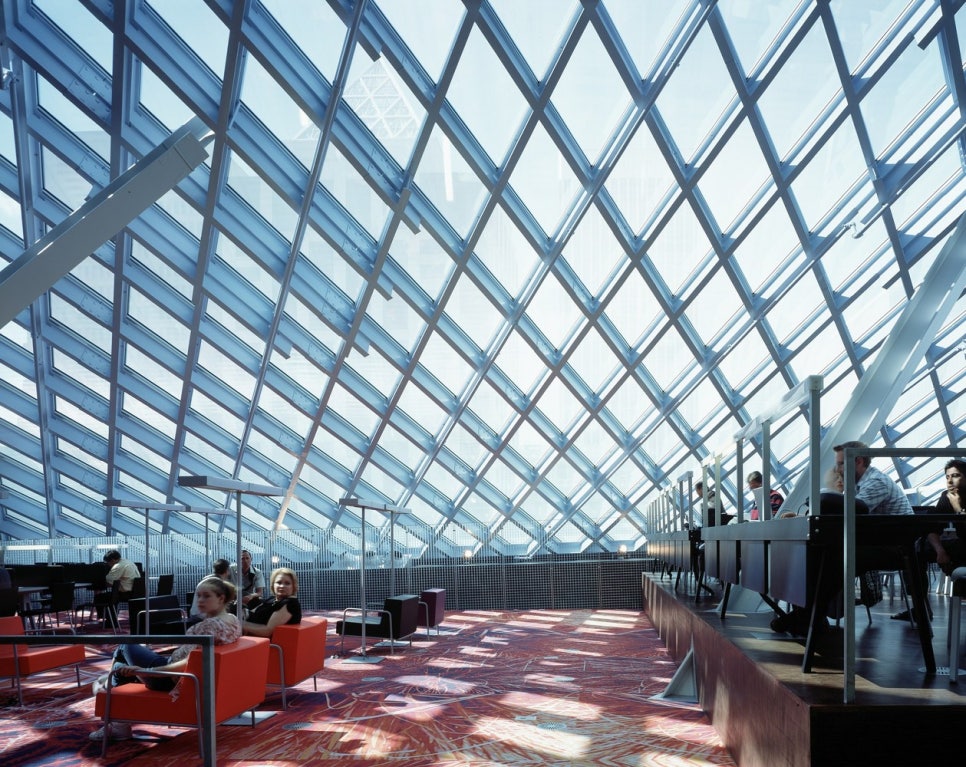
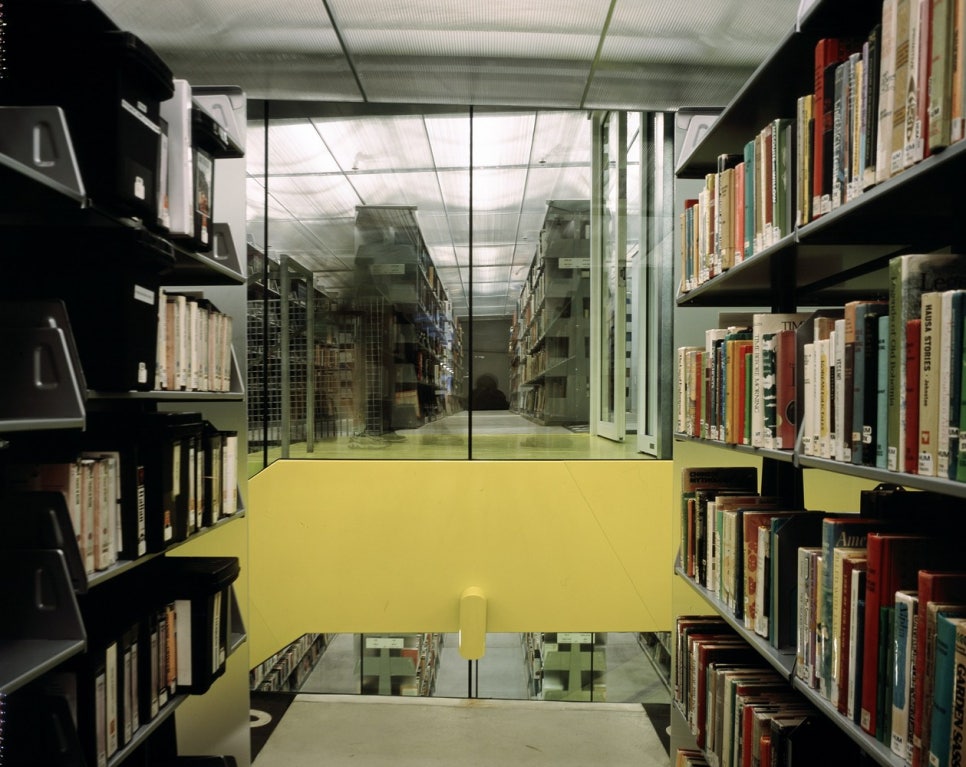
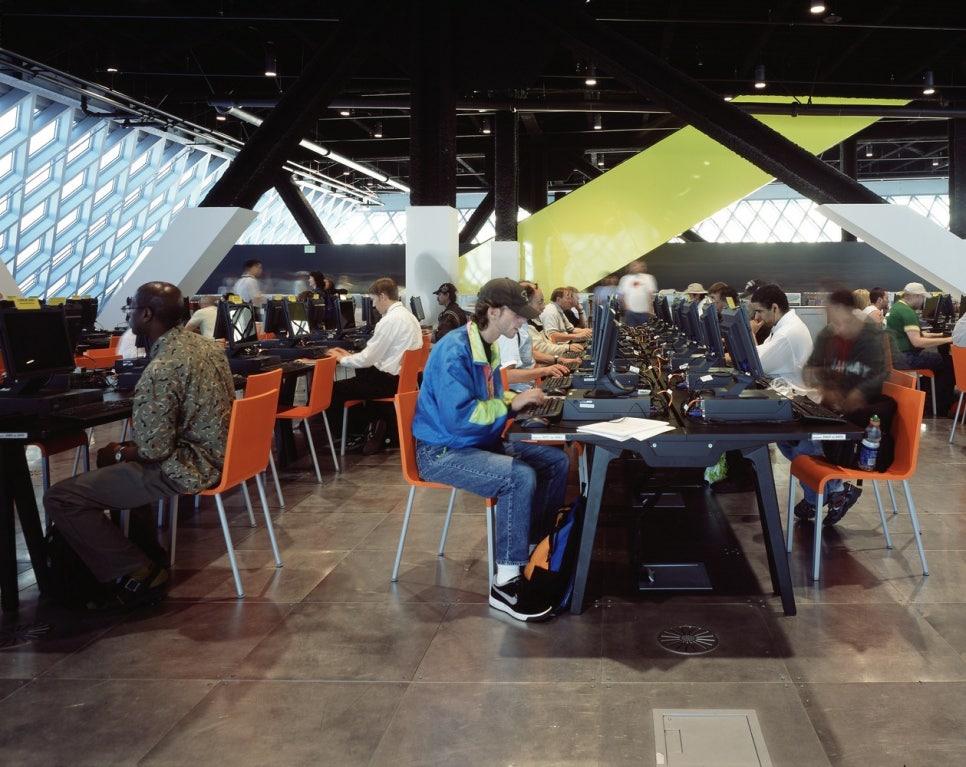
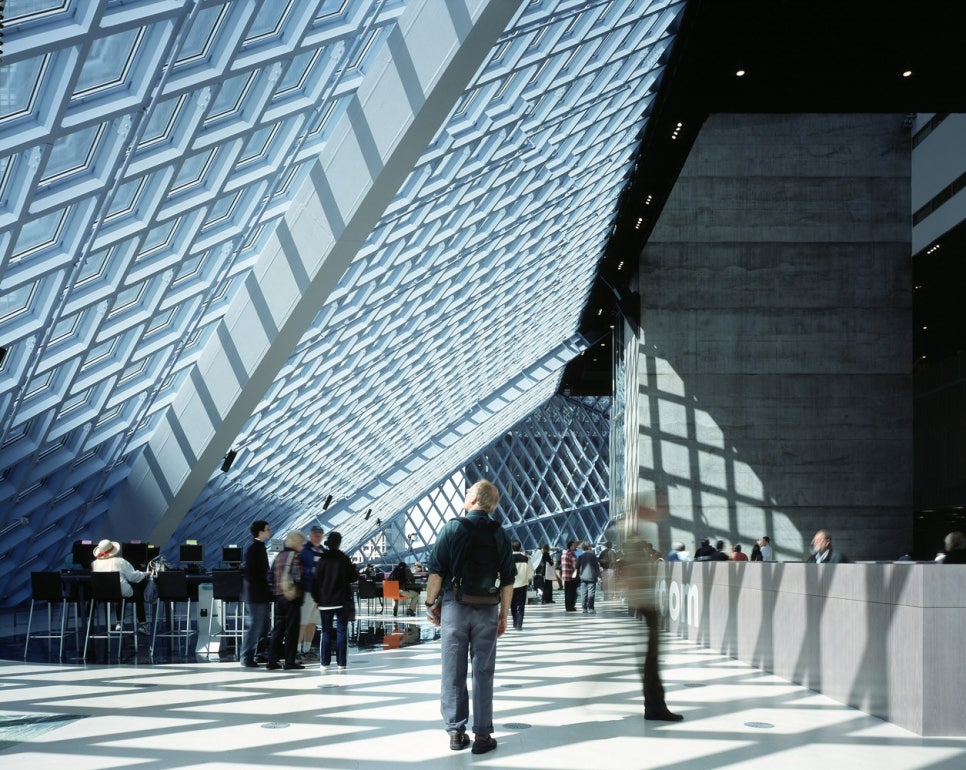
A library visitor may search for information, read a book, or meet someone. Making the differences between these activities visible in space, while connecting them, becomes central to the design. For me, the question is less how new the form looks than how it changes the experience of accessing information.
4. The same questions in different spaces
The same approach takes other forms in houses, concert halls, and museums. Looking first at their individual conditions helps explain why OMA’s buildings resist being grouped into one style.
Maison à Bordeaux: A moving room
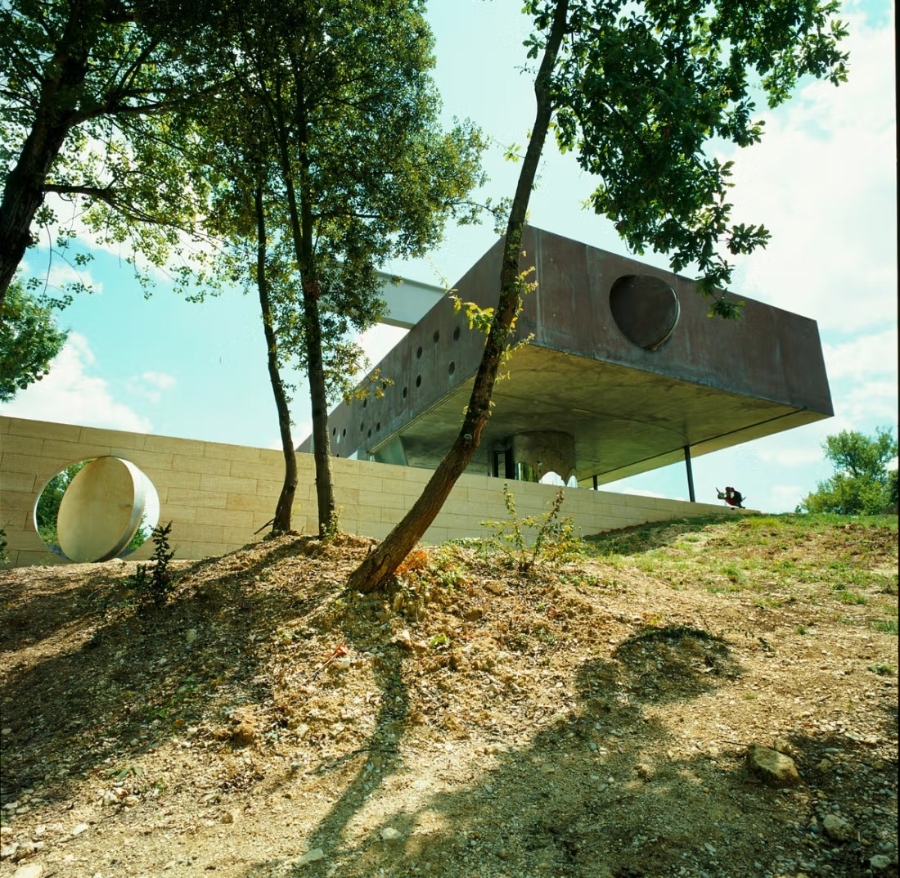
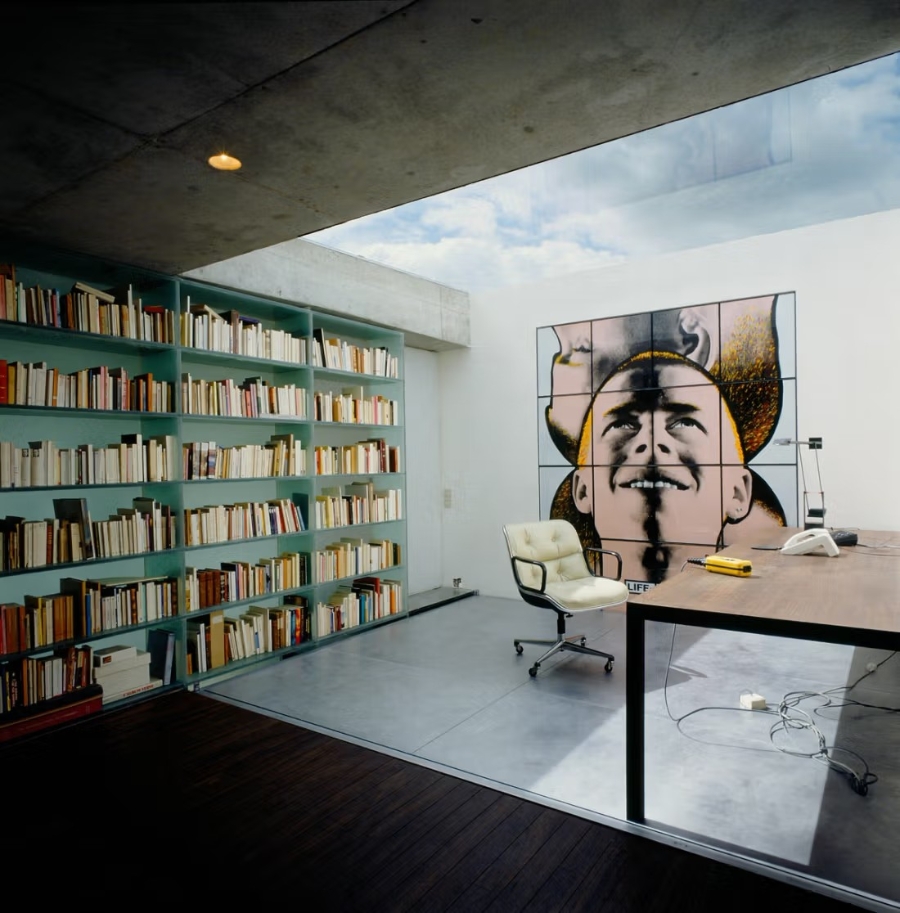
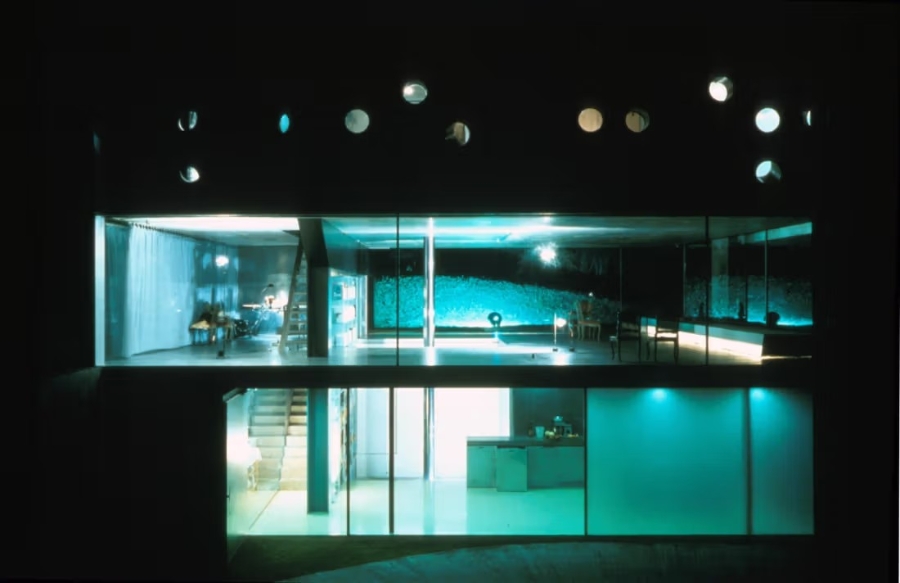
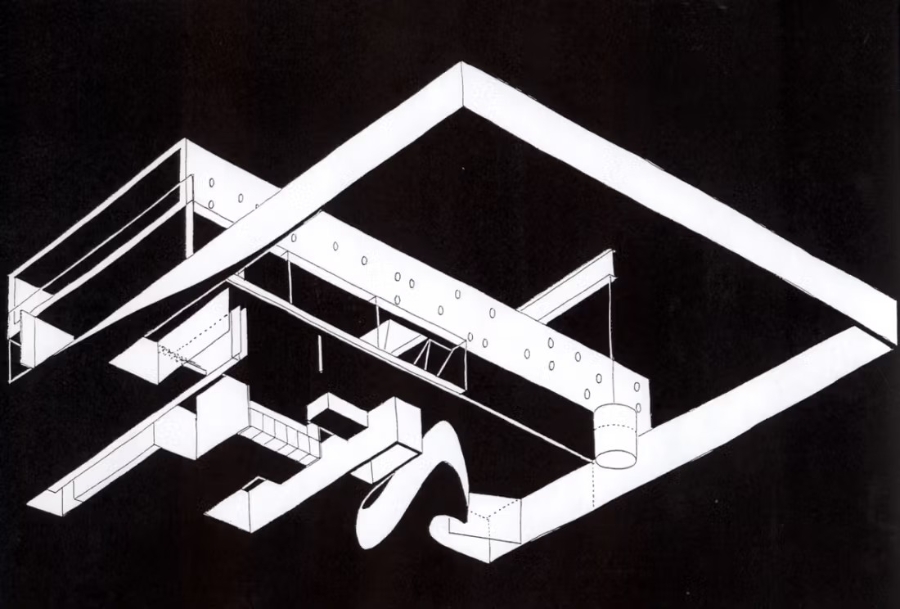
At the center of Maison à Bordeaux is a large platform that moves between floors. Designed around the life of a client who uses a wheelchair, it is both a means of movement and part of the living space. It reverses the familiar arrangement in which rooms stay fixed and people move between them.
Casa da Música: Where a concert hall meets the city
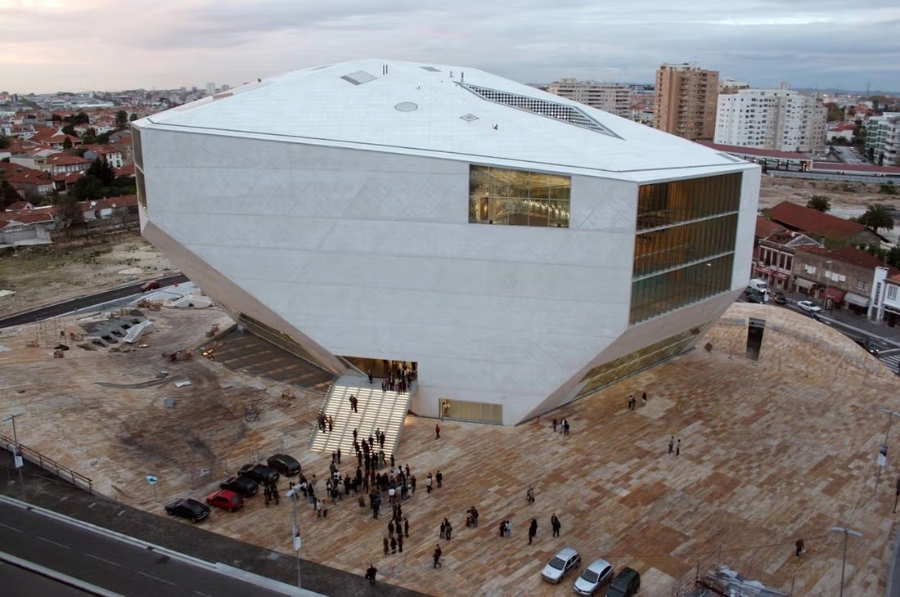
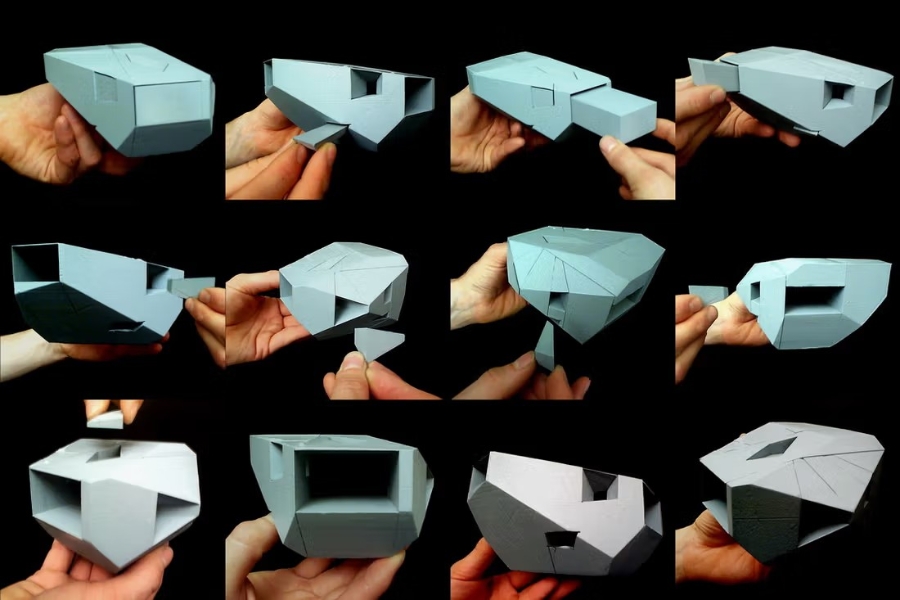
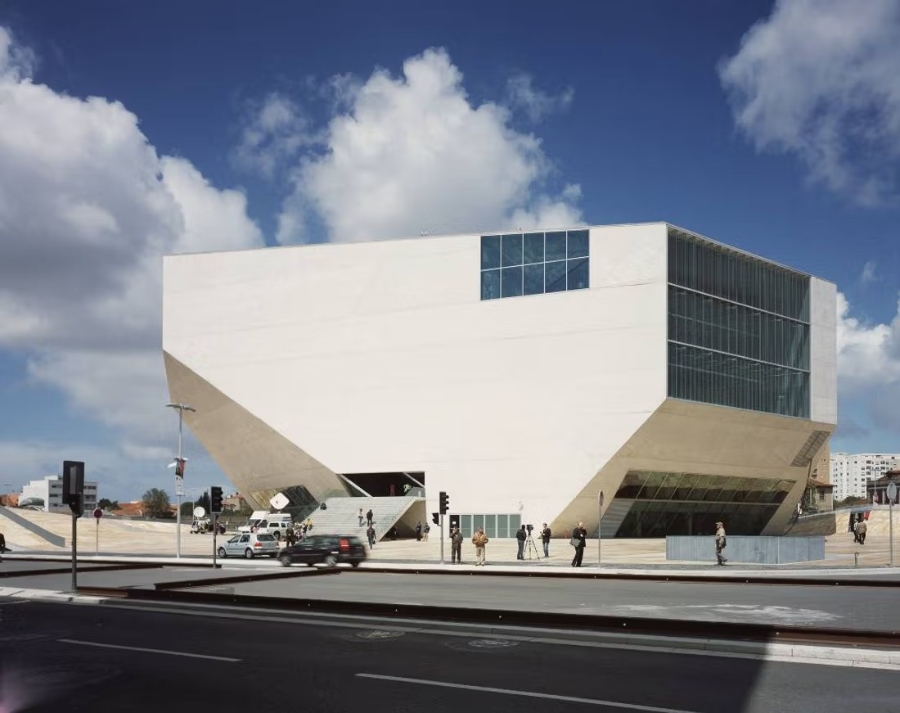
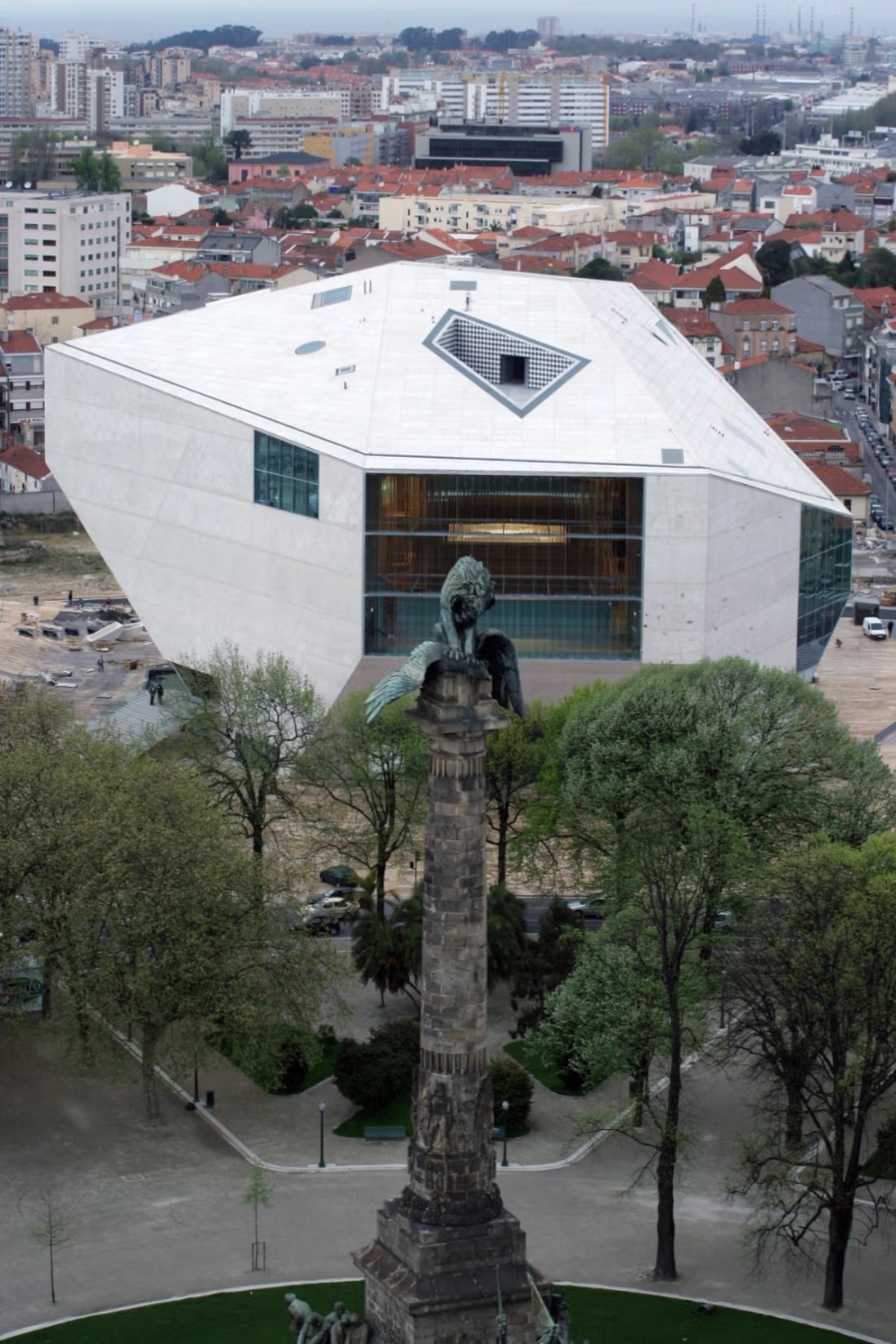
Casa da Música in Porto draws attention with its faceted exterior. Inside, however, the main auditorium retains a rectangular shoebox form for acoustic reasons. Formal experimentation outside coexists with functional decisions inside, while glass connects the performance space to the city beyond.
Shoebox describes a rectangular auditorium. It is important to distinguish Casa da Música’s polygonal exterior from the form of its main concert hall. Structural design overview.
Fondazione Prada: Old and new together
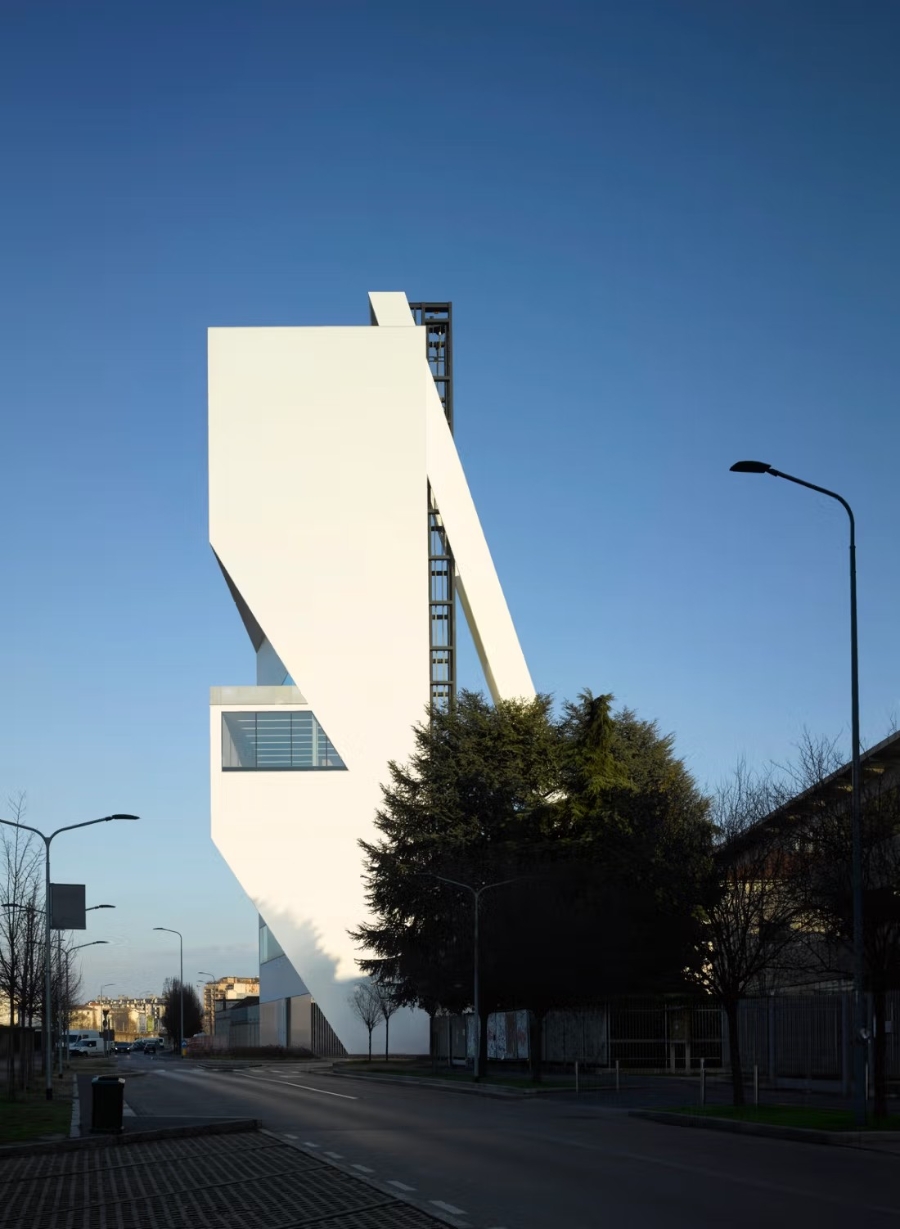
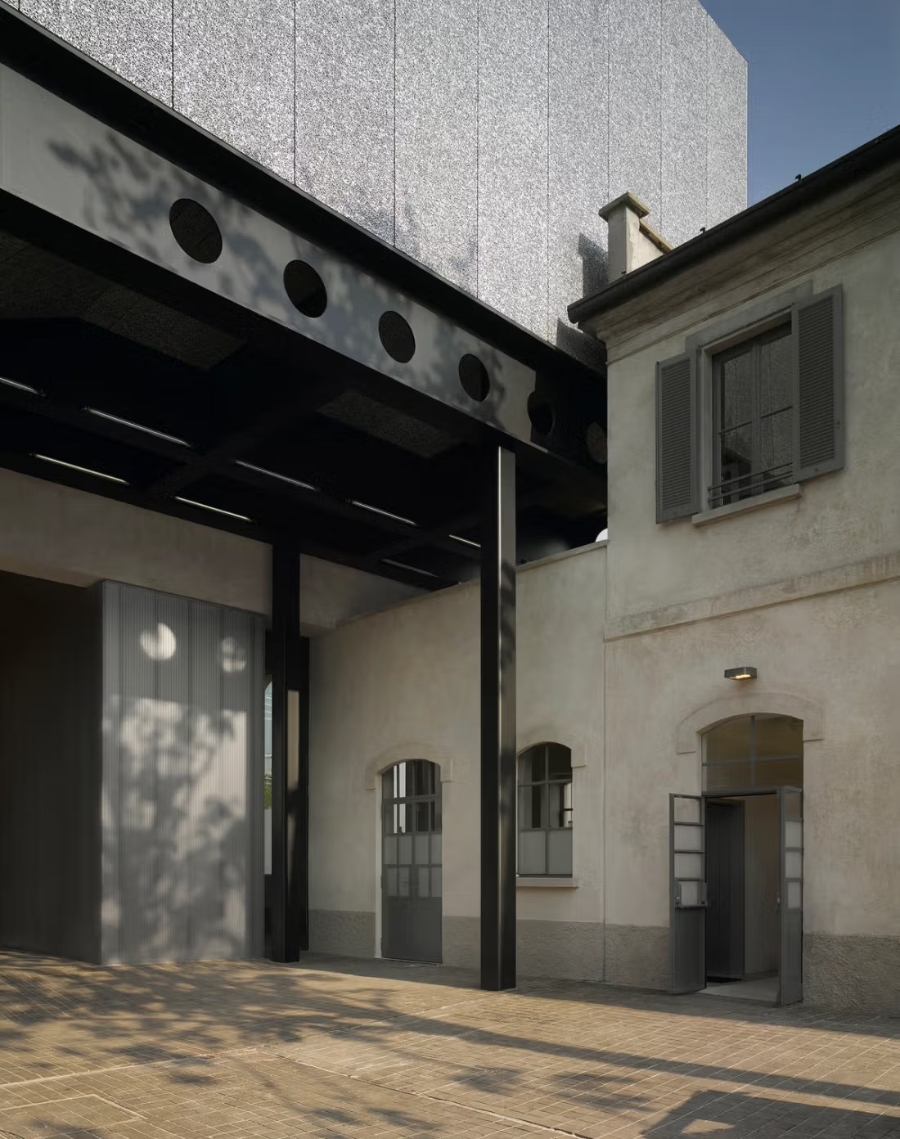
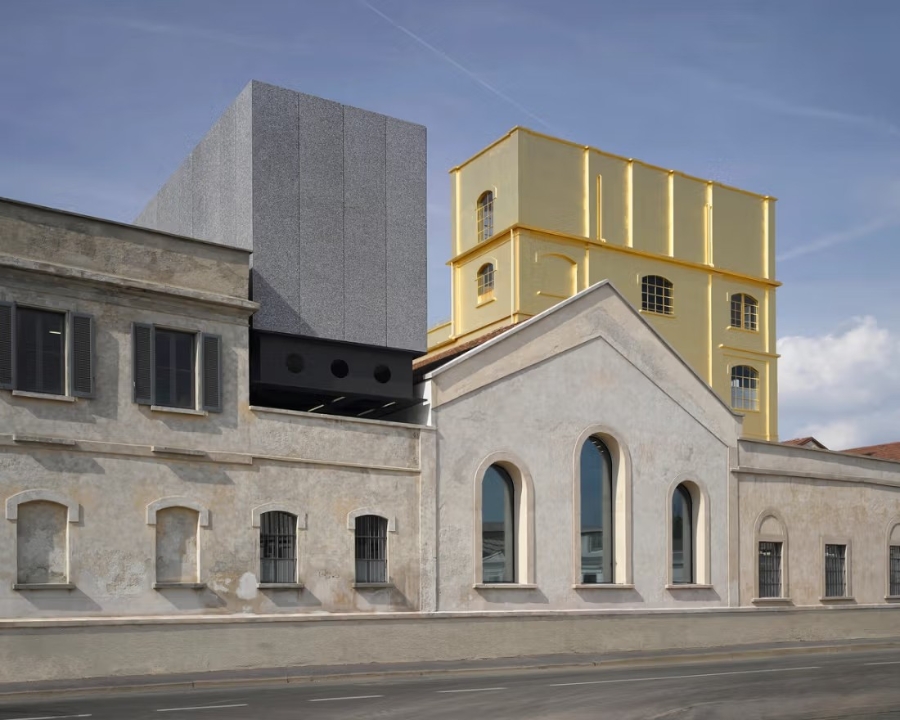
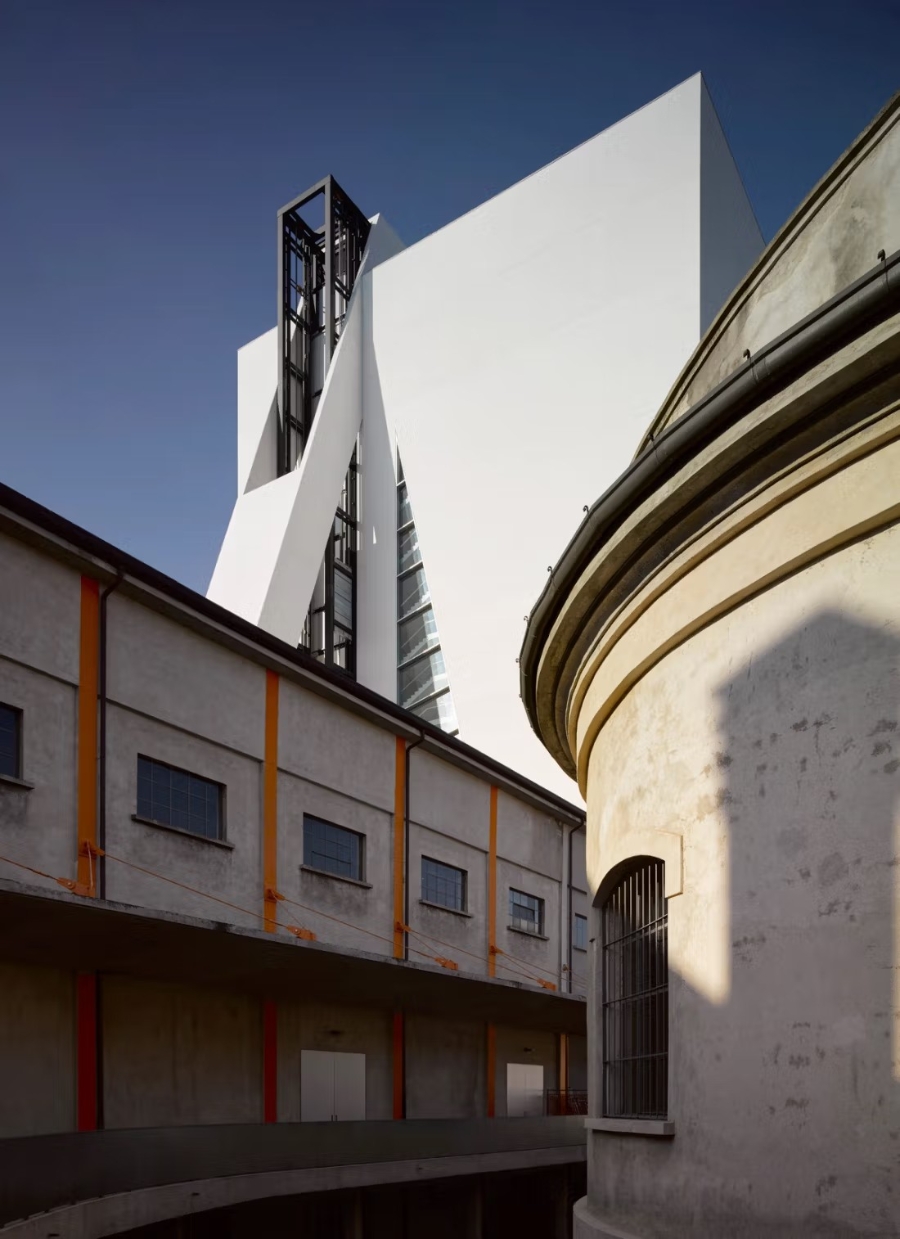
Fondazione Prada places existing industrial buildings alongside new ones. Instead of erasing the old or making everything resemble the past, it exposes differences in materials, scale, and surfaces. Walking through those differences becomes a way of reading the place.
Taipei Performing Arts Center: Recombining the stage
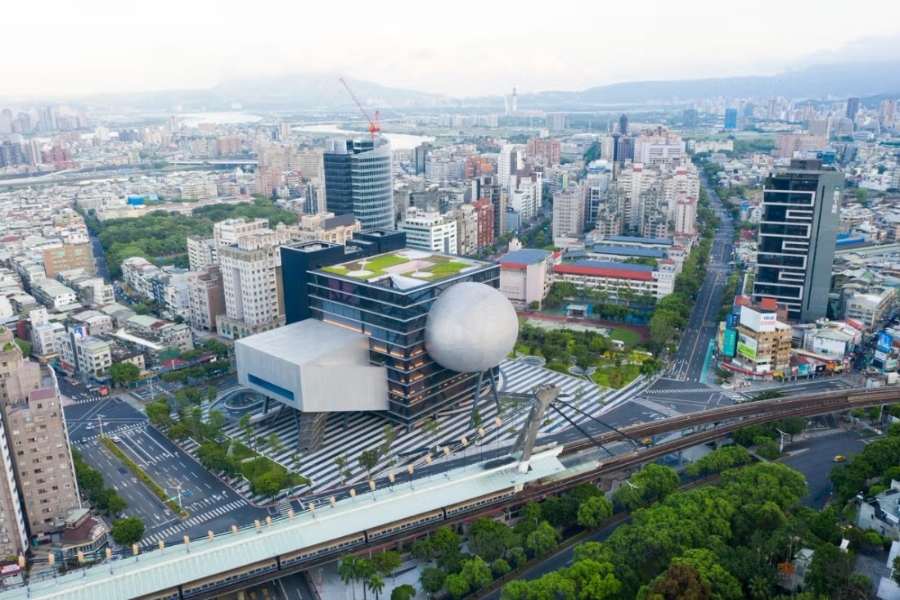
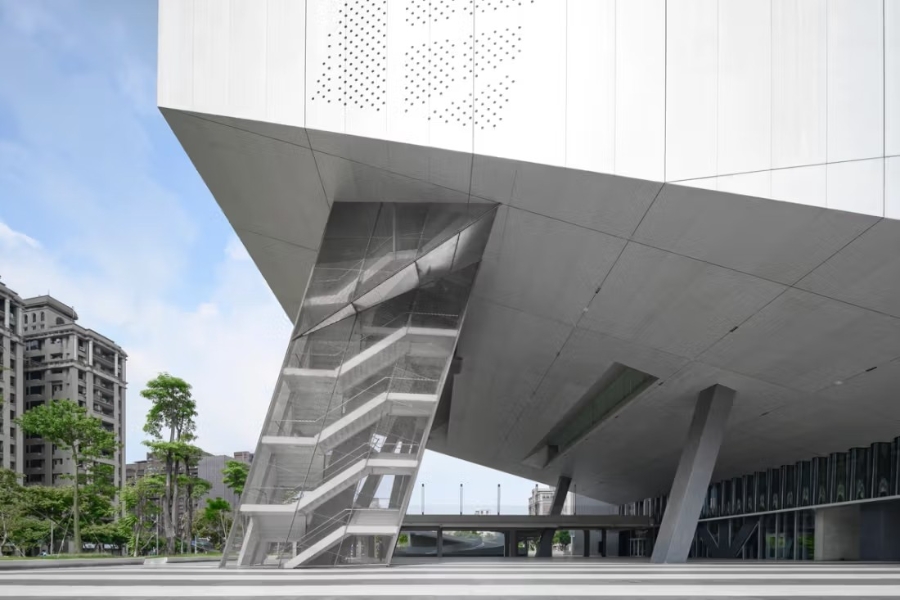
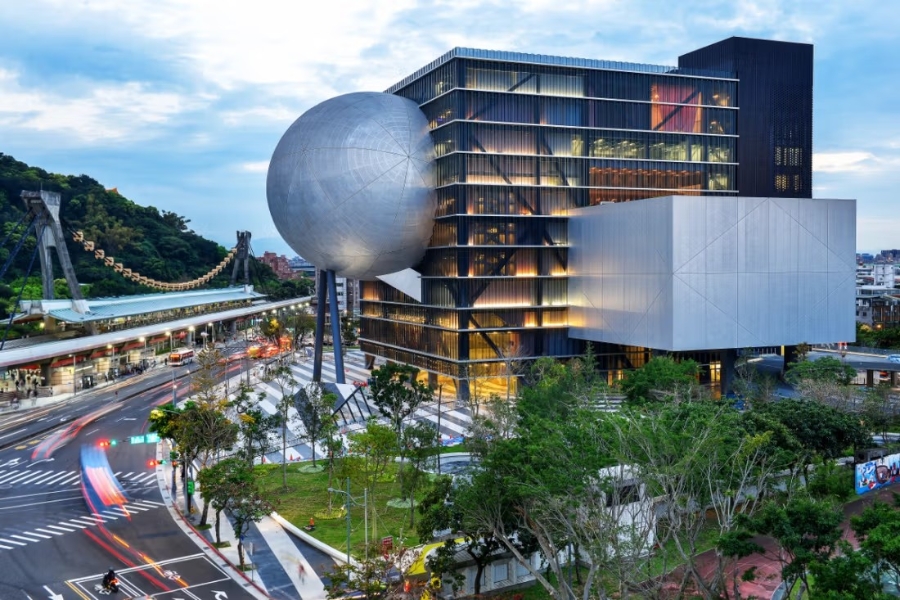
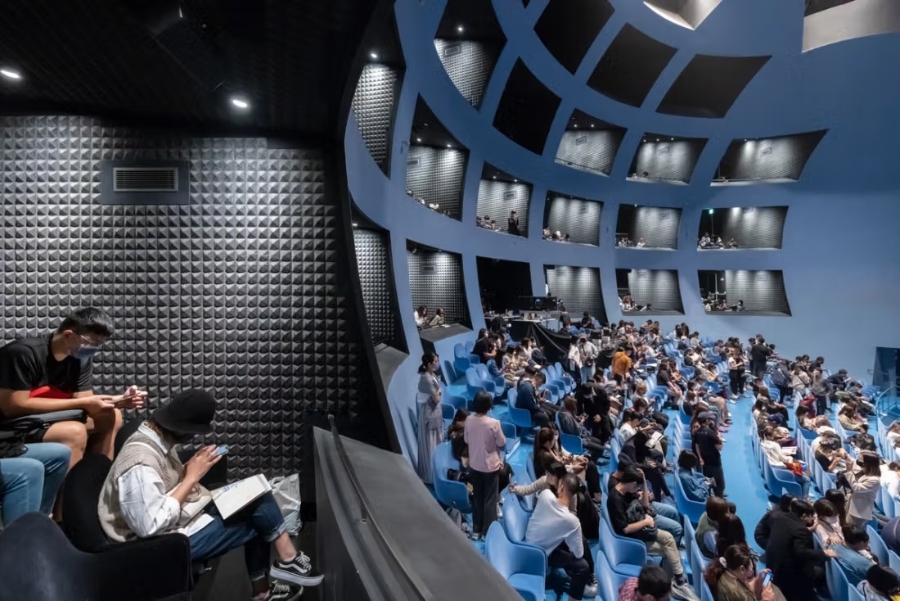
At Taipei Performing Arts Center, different theaters share a central core. Rather than treating each auditorium as an independent box, the design rearranges the relationships between stages and supporting spaces. It asks how flexibly a building can respond when the content of a performance changes.
5. Accepting reality and changing it
Koolhaas’s position is persuasive because it does not turn away from urban reality. Questions of capital, institutions, and scale cannot simply be dismissed with moral slogans. Still, a tension remains between analyzing and working with reality and justifying it.
His architecture therefore leaves more than admiration. Whose activities are connected? Who is excluded? How free is the user within a complex system? Koolhaas interests me because his buildings bring these questions into sharper focus, not because they promise that architecture can solve everything.
Sources
Balmond Studio · Casa da Música
Read the Architects series
This series looks at cities and architecture from different perspectives. Comparing these architects’ work helps bring the questions in each essay into focus.
Part 1: Fumihiko Maki, relationships between buildings
Part 3: Frank Gehry, form and the senses (essay in preparation)
Part 4: Bjarke Ingels, pleasure and sustainability (essay in preparation)