
Nihilism, Part 1: The Little Prince and Chainsaw Man
The Little Prince and Chainsaw Man open a question about meaning, attachment, and the different faces of nihilism.
Who this is for
For readers who enjoy personal reflections moving between literature, manga, film, and music. This is the starting point of a five-part series.
Where am I heading?
How can I put it? Lately, partly because of things in my own life, the world has felt terribly empty. What am I doing this for, and where am I going? In my twenties I was obsessed with “Who am I?” Now that I am in my thirties, the direction itself troubles me more. Perhaps that is why I keep coming back to phenomenology and wanting to understand Camus.
Looking around, I do not think this is mine alone. Our attention seems to move beyond the self that lives a life toward questioning life itself. It sometimes ends in a bitter place. To me, this has become a society that has surrendered to collective nihilism. It may feel particularly intense in Korea, but it is hardly only a Korean problem.
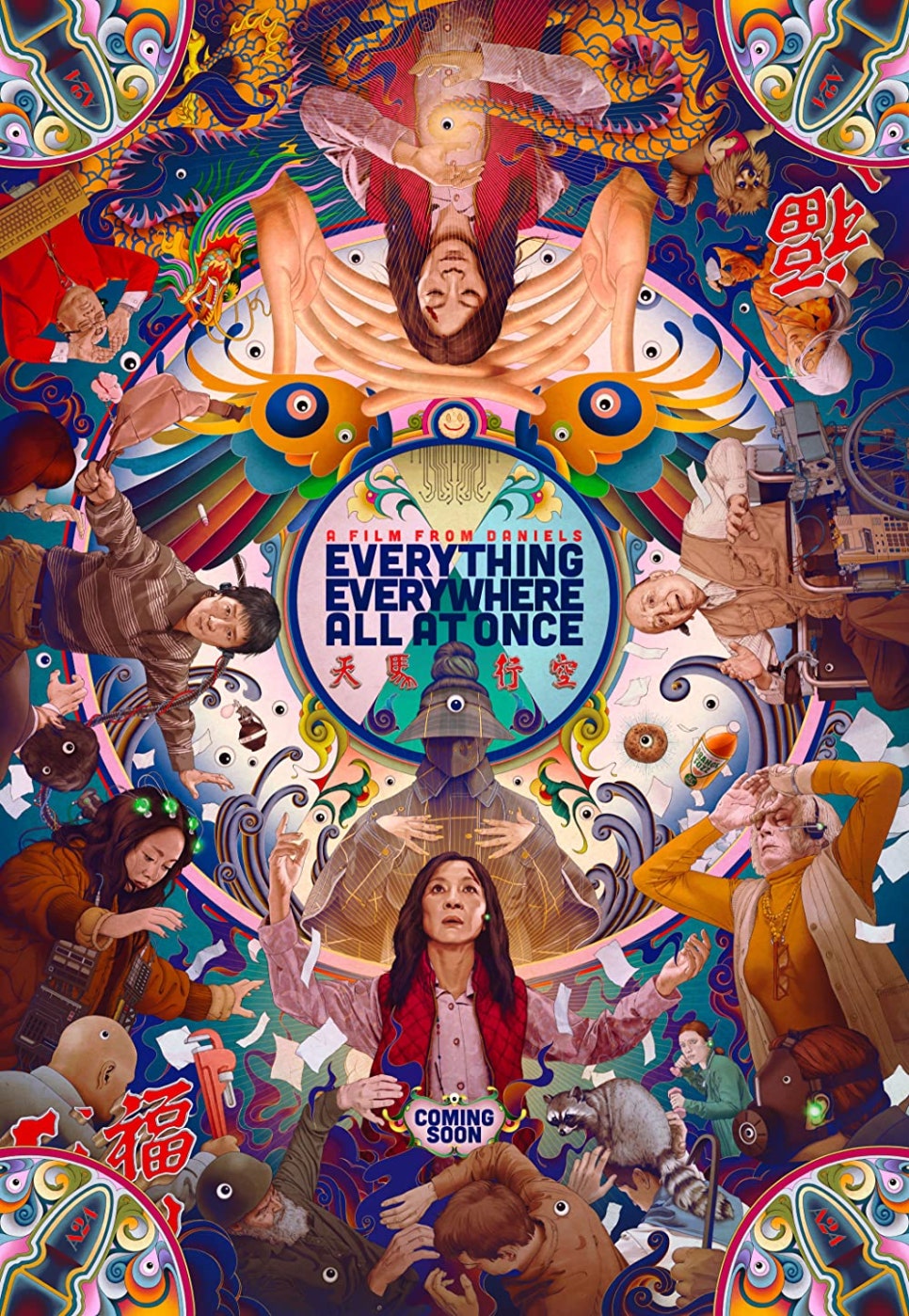
My best film of 2022, and the winner of many awards. Looking at this makes me want the poster.
The emptiness I found in film and YouTube
I saw Everything Everywhere All at Once in a cinema in 2022. Everyone is entitled to their own response, but for me it was the best film of that year. I could think of no film that made contemporary society more readily understandable. It captured so well what I had been calling a society surrendered to collective nihilism.
YouTube is a useful place to begin when discussing that film and contemporary nihilism. I subscribed to Premium as soon as it appeared. YouTube has been my teacher, friend, and companion; learning and finding pleasure through it is an experience many of us share. Yet at some point it began to seem full of nothing but geniuses and rich people. Other kinds of people do appear, but when their subscriber counts reach ten thousand or a hundred thousand, our brains switch gears: “They cannot be broke anymore,” or “They must be making a ridiculous amount.” YouTube expanded our world from the neighborhood to the globe, and expanded comparison along with it. Once the benchmark was the neighbor’s son getting into Seoul National University. Now it is someone who graduated from SNU, quit Samsung, and earns more than their old salary.
Joji’s music and videos
One person is impossible to leave out of a discussion of YouTube. My favorite artist works in music, not visual art: Joji. He originally performed on YouTube as Filthy Frank, the kind of deliberately outrageous creator you could only describe as unhinged. His Pink Guy character became a hugely popular internet meme.
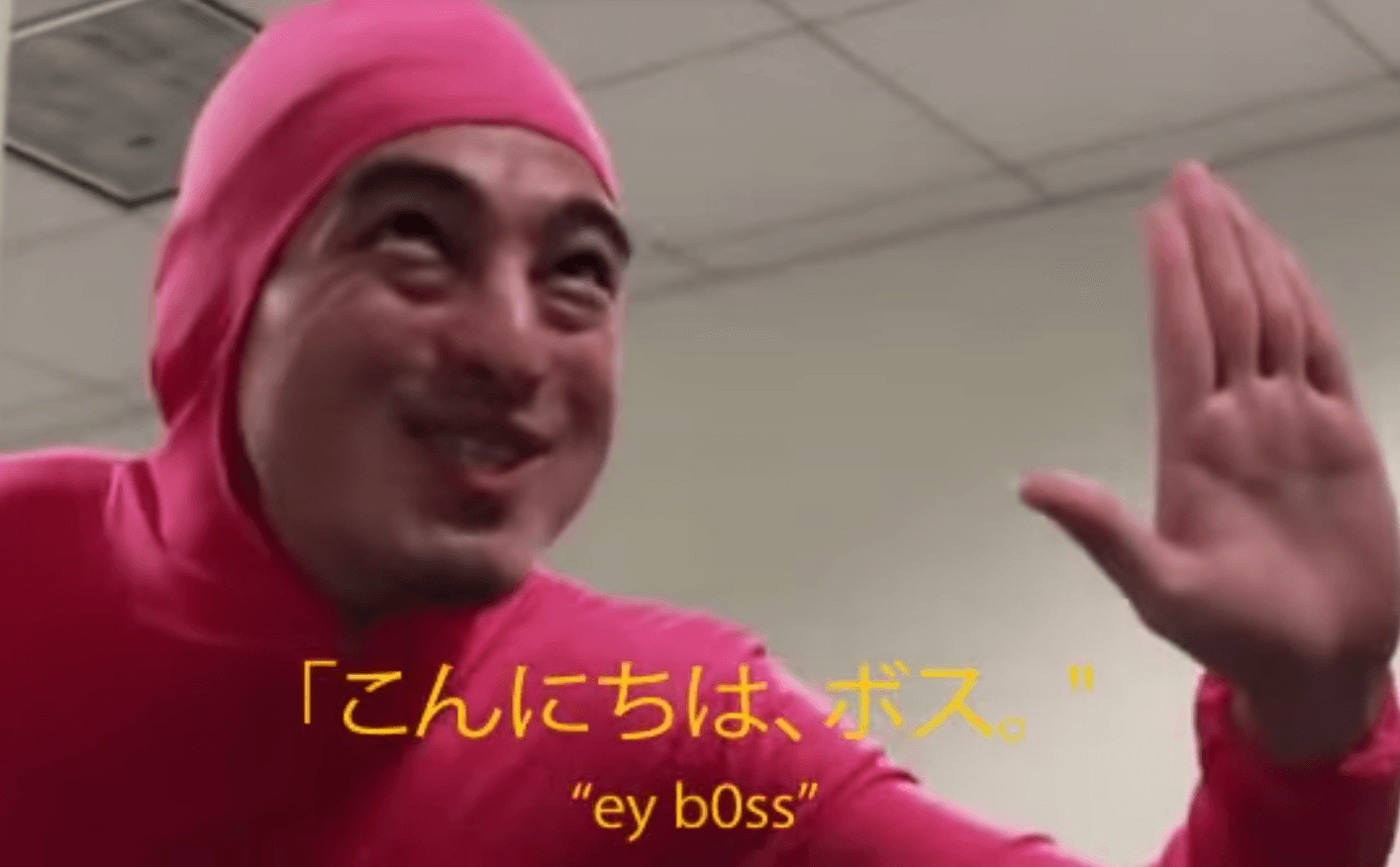
During the Filthy Frank years
Joji, the recording artist
Then one day he stopped making those videos. He left Filthy Frank behind and concentrated on music, releasing albums and becoming an artist whose songs you might hear in a fashionable space. His music and videos speak about love, time with friends, confidence in success, and determination. Yet to me an emptiness runs through all of it. My favorite is “Glimpse of Us.” I love the song, but I love the music video even more. Depending on the viewer, it may also cause dizziness or disgust. For me, watching it with the music is how the song reveals its full force.
A series beginning with The Little Prince
Returning to the blog after a long absence, I want to write about emptiness, using The Little Prince as a center and bringing in works from other forms. But I hope you will not judge the series only by the associations of the word “emptiness.” I have never said that emptiness is necessarily bad.
P.S. The starting point was a friend’s suggestion that we reread The Little Prince. As I read, I kept thinking about Chainsaw Man. It will appear often in this series. Half jokingly, I call it Japan’s best manga: it has that much depth and quality for me. Visual form, engagement with society, satire, and humor are some of my criteria, and I gave it full marks in those areas. This is a personal response. Please take it as one way someone has found to read these works.
The perspective of this essay
I have preserved the feelings and impressions I had when writing the original. This is not a statistical diagnosis of society or a claim to the only valid interpretation of a work.
Continue the series
Emptiness, Part 2: The Little Prince and Chainsaw Man
Emptiness, Part 3 (spoilers; Korean draft)
Emptiness, Part 4 (Korean draft)
Emptiness, Part 5: Conclusion (Korean draft)