
Nihilism, Part 2: The Little Prince and Chainsaw Man
Continuing a reading of nihilism in The Little Prince and Chainsaw Man, through desire, relationships, and the meanings we choose.
Who this is for
For readers interested in comparing relationships in these two works. Contains important spoilers for Part 1 of Chainsaw Man.
How reading changes with age
Rereading The Little Prince reminded me of the saying that it is a different book in your teens, twenties, and thirties.
As we grow older, our aims, values, and behavior change. Perhaps that is why the book felt new again. It speaks critically of adults, yet this time I could understand some of them, while parts of the prince I had once understood became harder to grasp. The way the characters and settings carry metaphors that feel different at different stages of life reminded me of the author’s extraordinary insight.
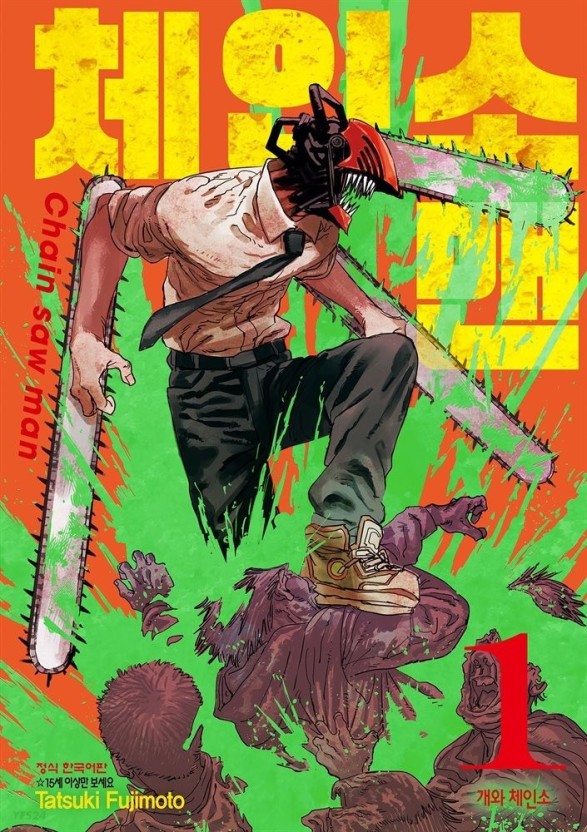
Chainsaw Man
Why read it alongside Chainsaw Man?
The only manga I am currently collecting is Chainsaw Man. As I wrote in Part 1, I think it captures contemporary society remarkably well. Rereading The Little Prince also changed how I saw it, and so this rather unlikely comparison came about. Anyone who has read Chainsaw Man will understand why the pairing sounds strange. The atmosphere could hardly be more different, and neither could the protagonists.
Denji and Makima in Chainsaw Man
After becoming a Devil Hunter, Denji wonders what he wants and arrives at “boobs.” My first reaction was disbelief. He has finally escaped destitution, can eat properly, and has a job, and that is what he comes up with?
Denji moves through the story with a vacant expression and behavior that seems unreasonable and irrational. The Fiends often look human while acting almost entirely on instinct; in that sense, Denji’s mind seems fiendlike even before he merges with the Chainsaw Devil. As the chapters go on, however, other things enter that simplicity, and his character begins to grow more complicated.
Denji and Makima, the prince and the rose
What brought Chainsaw Man to mind was the relationship between the characters. I saw Denji as the little prince and Makima as the rose. The resemblance was not just in their coloring, but in the shape of their attachment.
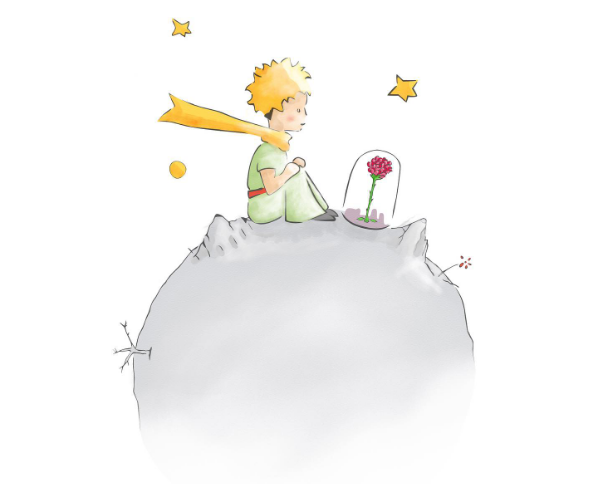
I read the planets in The Little Prince as something like spaces of the mind. Various flowers had grown on the prince’s planet, appearing and fading, until one day a seed arrived from an unknown place and the rose began to bloom.
The rose opens with an unapologetic yawn and immediately asks for breakfast. She pretends to cough and complains about drafts, and the prince puts up a screen for her. He loves the flower but stops trusting her, or more precisely, finds himself unable to trust her. He takes her careless words seriously and becomes unhappy. Eventually, he leaves.
Denji and Makima likewise begin in a master-and-servant relationship. Makima wants to tame and control this stray-dog figure. Her attachment is to the Chainsaw Devil rather than Denji, something I intend to discuss with full spoilers in Part 3. Whatever Makima’s scheme, Denji is also a person. Other things become precious to him, and he begins wanting to escape her grasp. At first he wants to touch her breasts and receive her love, but questions grow, and he moves away. This is what reminded me of the prince and the rose.
Reading actions rather than words
This kind of relationship does not exist only in novels such as The Little Prince or manga such as Chainsaw Man. So much creative work grows from the author’s experience that it remains close to our own lives. Even a manga full of devils, chainsaws, blood, and flesh is bound to life. Perhaps writers suffer because the pain of making and the pain of living are contracted to one another.
After leaving the rose, the prince spends a year wandering through the world and encountering adults he cannot understand. He worries about her but keeps moving. Later, remembering how he loved the flower yet mistrusted her and became unhappy, he says:
I understood nothing then. I should have judged the flower by her actions, not by her words.
But I was too young to know how to love her.
From The Little Prince, translated here from the passage quoted in the Korean essay.
He could have returned during that year, but he did not. This was the answer he reached at the end of a long wandering.
A comparative reading
This essay does not offer evidence that The Little Prince directly influenced Chainsaw Man. It follows similarities I found in the relationships between their characters.
Continue the series
Emptiness, Part 1: The Little Prince and Chainsaw Man
Emptiness, Part 3 (spoilers; Korean draft)
Emptiness, Part 4 (Korean draft)
Emptiness, Part 5: Conclusion (Korean draft)